
Angola is one of Africa’s largest countries and it is rebuilding fast: roads, rail, ports, housing, water supply and a revived mining sector are all creating demand for drilling equipment Angola. If you are a contractor or buyer looking at this market, here is a practical look at where drilling happens and what to think about before you order.
Where Drilling Demand Comes From
Diamonds and minerals. Angola is well known for diamonds, especially in the Lunda provinces in the north-east, and it also has iron ore, copper, phosphates, manganese and other mineral prospects. Exploration and mine development drive demand for RC and diamond core drilling, and for blast hole drilling.
Infrastructure. Transport corridors, including the Lobito Corridor linking the Atlantic coast to the interior, plus ports, bridges and urban development, need geotechnical investigation and foundation drilling.
Water. Large rural populations and growing towns depend on boreholes, particularly outside the major cities.
What Drilling Equipment Angola Projects Typically Need
| Application | Equipment |
|---|---|
| Mineral exploration | RC rigs and hammers, diamond core bits and rods |
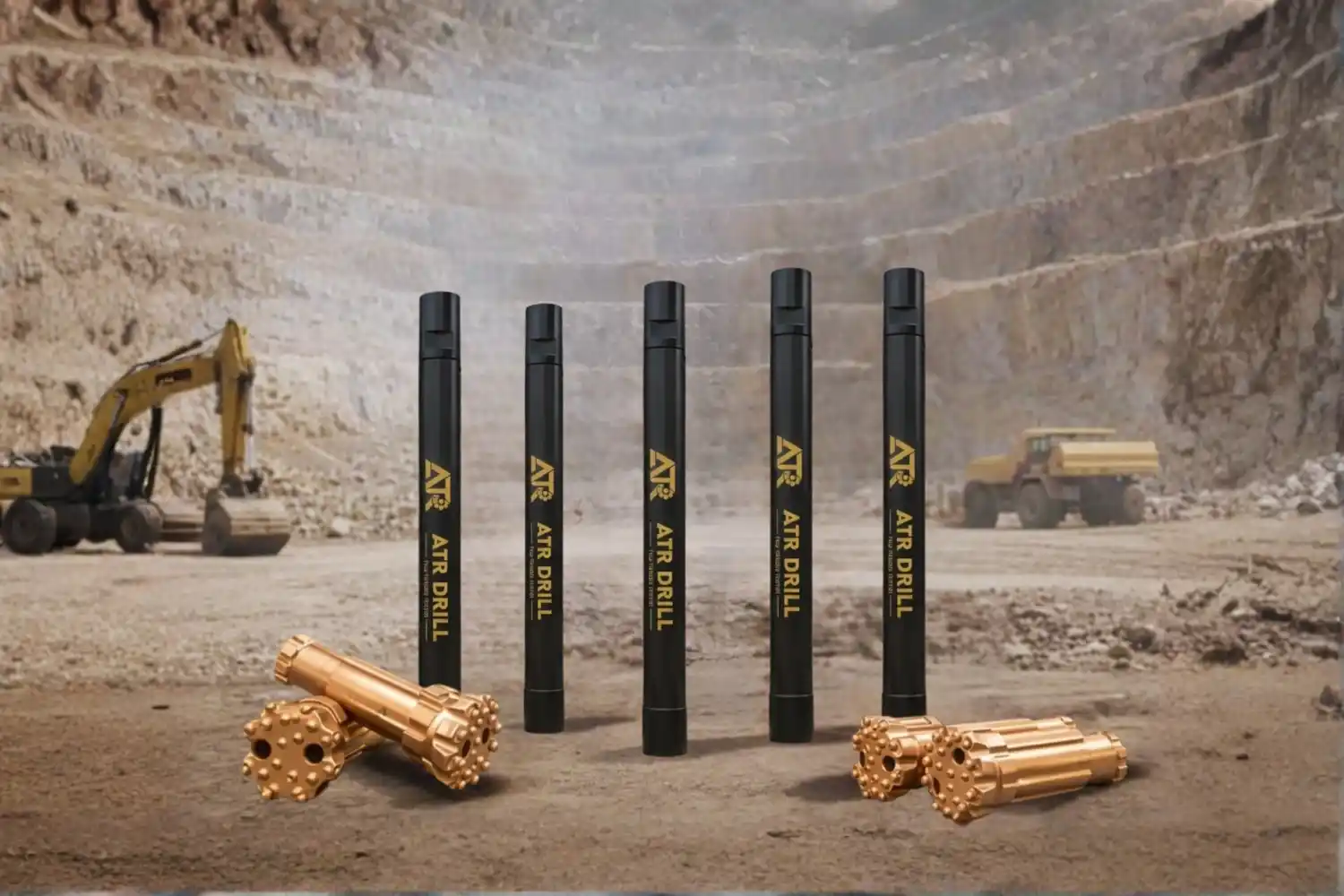
| Mining | Top hammer and DTH tools, blasting machines |
| Infrastructure | Geotechnical rigs, piling and foundation equipment |
| Water supply | Water well rigs, casing, screens, bentonite |
Explore our RC drilling range, geotechnical drilling rigs and piling machines.
Practical Challenges for Drilling Equipment Angola Buyers
Be realistic about conditions. Some regions are remote, with long transport distances and limited roads in the rainy season. Port clearance can take time, and documentation must be accurate. Language matters too: Portuguese is the official language, so technical documents, manuals and contracts are best provided in Portuguese or with reliable translation. Currency and payment terms also need careful planning. None of this makes the market impossible, but it rewards preparation.
Tooling Advice for Angolan Conditions
- Tropical weather: heavy rain and humidity speed up corrosion, so protect threads and store tools dry.
- Weathered ground: deep weathering is common, so you may drill soft clay before hitting hard rock. Plan for both bit types.
- Remote sites: carry more spares than you think you need.
- Abrasive formations: quality carbide pays for itself.
Our guides to tricone bits, DTH hammers and spare parts are useful references, even though they are written for South Africa; the geology and the lessons carry across southern Africa.
Buying Drilling Equipment Angola Contractors Can Trust
Ask suppliers for written specifications, clear lead times and details of freight and customs support. Check they can supply consumables over time, not only a one-off rig. ATR Drill supplies drilling equipment across Africa, including work noted in Congo and Burkina Faso. Send us your project details and we will advise on suitable drilling equipment Angola conditions demand. For background on the country’s geology and economy, see this overview of Angola’s mining industry.
Training and Support for Drilling Equipment Angola Projects
New equipment performs best when crews understand it. Ask your supplier for operating guidelines, maintenance schedules and, where possible, training in Portuguese. A short handover session on a real site can prevent months of avoidable wear. For drilling equipment Angola projects that run for several years, a supplier who stays in touch and can supply consumables is worth much more than one who simply ships the machine.
Frequently Asked Questions
What drilling is common in Angola?
Exploration and mining drilling for diamonds and other minerals, geotechnical drilling for infrastructure, and water borehole drilling.
What language should drilling documentation be in for Angola?
Portuguese is the official language, so manuals and contracts are best provided in Portuguese or with a reliable translation.
How should I plan logistics for drilling equipment Angola projects?
Allow time for shipping, port clearance and overland transport, and use an experienced clearing agent. Carry extra spares for remote sites.