
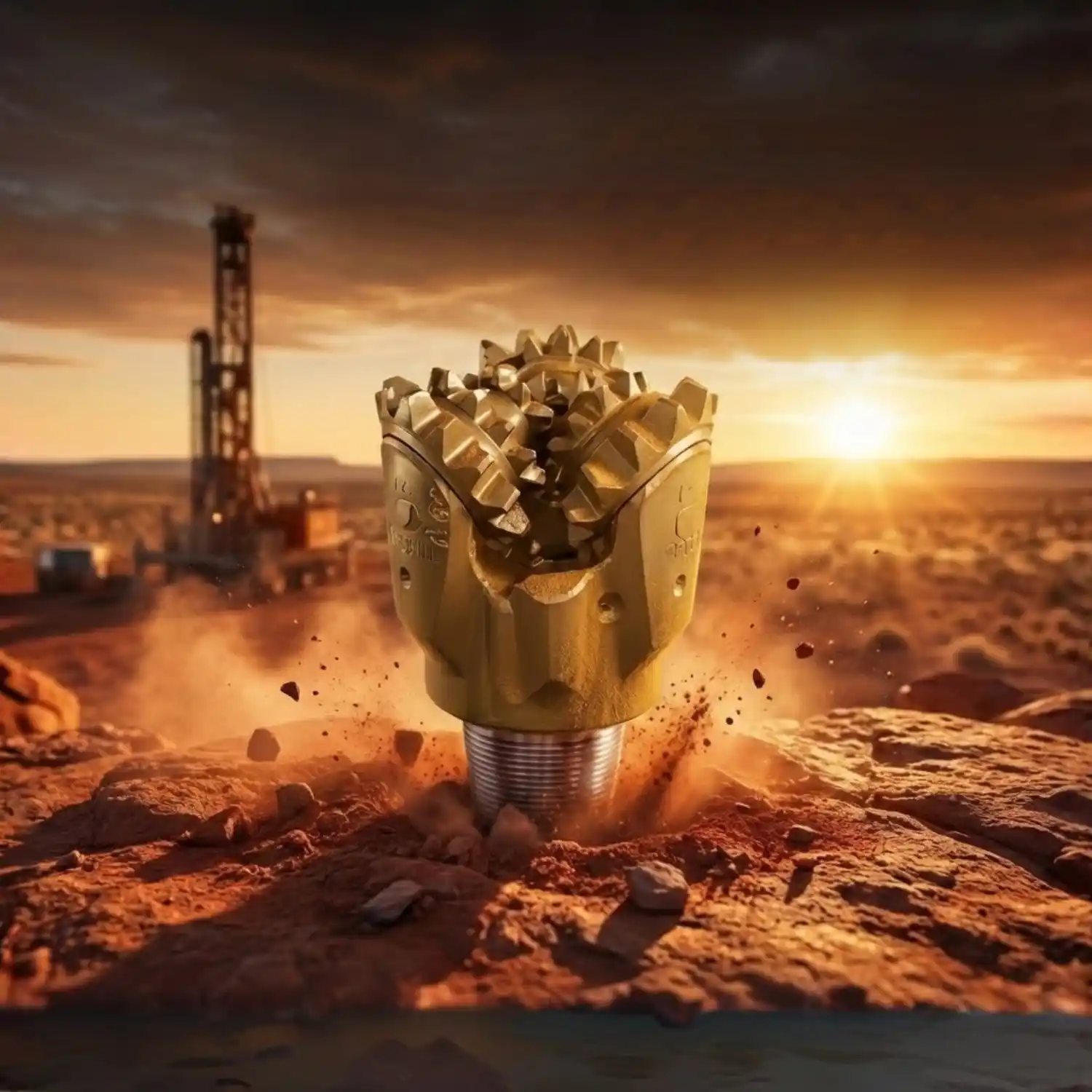
South Africa tricone bits are the workhorses of rotary drilling, and for good reason: the three rotating cones handle everything from soft clay to hard abrasive rock, and they keep working where other bits give up. Whether you drill blast holes in a coal pit, water boreholes in the Karoo or exploration holes on the Bushveld, a tricone bit is usually on the shortlist.
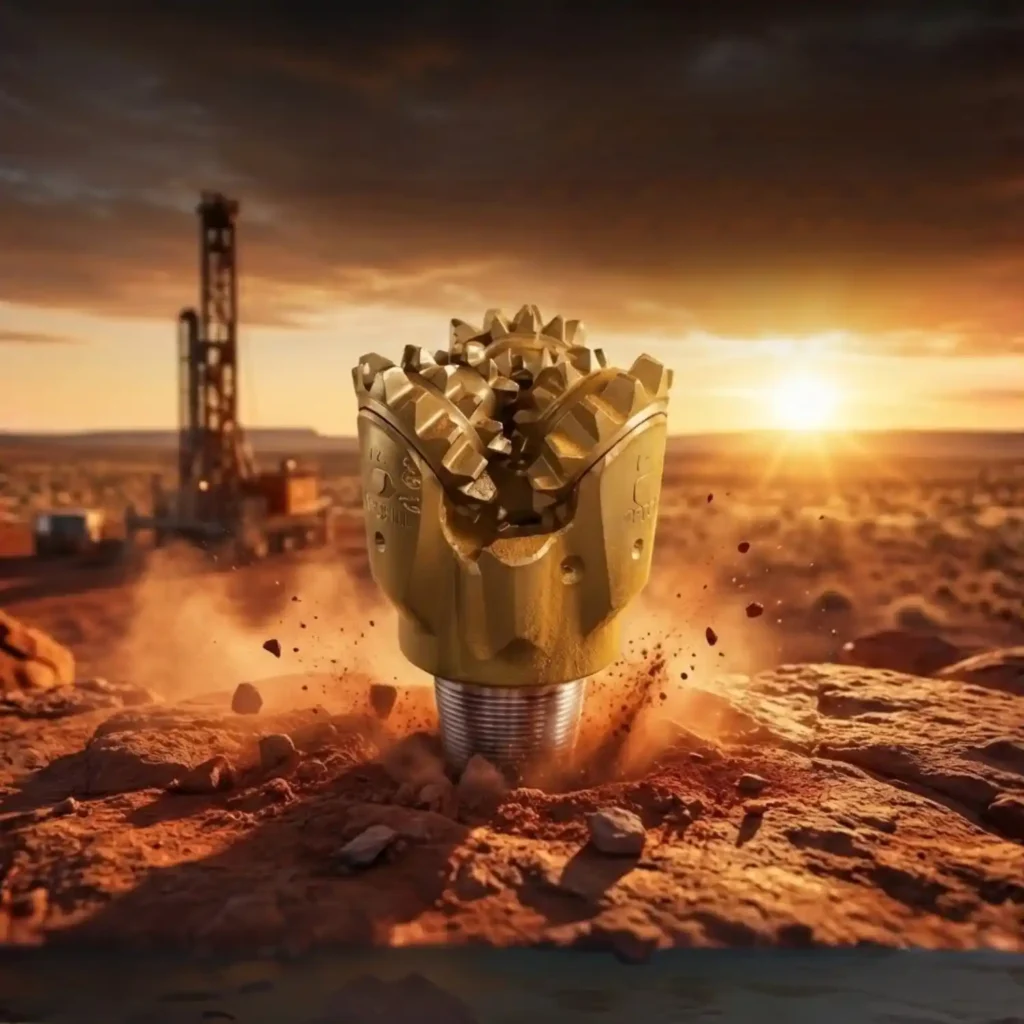
How a Tricone Bit Cuts Rock
Three cones, each studded with teeth or buttons, roll over the bottom of the hole as the bit rotates under weight. The teeth crush and chip the rock, while air or fluid flushed through nozzles clears the cuttings. Because the cones turn on bearings, the load is spread and the bit keeps cutting as it rotates. That is why tricone bits are so forgiving of mixed formations.
Milled Tooth or Insert? Choosing South Africa Tricone Bits
Milled tooth (steel tooth) bits have teeth machined from the cone steel. They cut fast in soft to medium formations such as clay, shale and soft limestone, and they are economical when the ground is not abrasive.
Tungsten carbide insert (TCI) bits use hard carbide buttons pressed into the cones. They last much longer in hard, abrasive rock such as sandstone with quartz, dolerite, granite and iron-rich formations, and they are the usual choice for mining. See our full tricone bits for mining range.
| Formation | Bit type | Typical South African examples |
|---|---|---|
| Soft | Milled tooth | Clay, weathered shale, soft coal measures |
| Medium | Milled tooth or soft TCI | Sandstone, limestone |
| Hard, abrasive | TCI | Dolerite, quartzite, granite, banded ironstone |
Getting the Best Life From South Africa Tricone Bits
- Match weight on bit and rotation speed to the formation. Too much weight damages bearings; too little just polishes the rock.
- Keep flushing strong. Poor cuttings removal means the bit regrinds rock and wears early.
- Do not force a damaged bit. Pull it when penetration drops sharply.
- Inspect after every hole for loose cones, cracked teeth and plugged nozzles.
- Record metres per bit. That figure tells you if you chose the right type.
Our detailed guide to tricone bits in geotechnical drilling covers sizes and thread connections, and our post on South Africa drill bits compares tricone with PDC and DTH options.
When Another Bit Is Better
Tricone bits are not always the answer. In very hard rock at moderate depth, DTH hammer drilling can be faster. In soft, uniform formations, PDC bits sometimes cut cheaper per metre. A good supplier will say so. If you are weighing options for a borehole project, see our water drilling equipment guide.
Buying South Africa Tricone Bits From ATR Drill
ATR Drill supplies tricone bits in a range of sizes and types to mining, exploration and water well contractors across Africa. Send us your hole diameter, rig and rock type and we will recommend the right bit. A properly chosen bit is the cheapest upgrade most rigs can make.
Field Notes on Tricone Bit Failures
When a bit comes out of the hole in bad shape, the damage tells a story. Worn, flat teeth on all three cones usually mean you simply ran it to the end of its life. A single missing cone points to bearing failure, often from too much weight or dirty air. Plugged nozzles suggest poor cuttings removal. Read your bits like this and your next set of South Africa tricone bits will last longer, because you will fix the cause instead of only replacing the bit.
For the engineering background, see this overview of the roller cone bit.
Frequently Asked Questions
What is a tricone bit used for?
Tricone bits drill blast holes, water wells, oil and gas wells and exploration holes in formations from soft to very hard.
What is the difference between milled tooth and TCI tricone bits?
Milled tooth bits suit softer formations and cut quickly. TCI bits have tungsten carbide buttons and last longer in hard, abrasive rock.
How do I choose South Africa tricone bits?
Match bit type to rock hardness and abrasiveness, confirm diameter and thread against your rig, and compare cost per metre, not just price.