
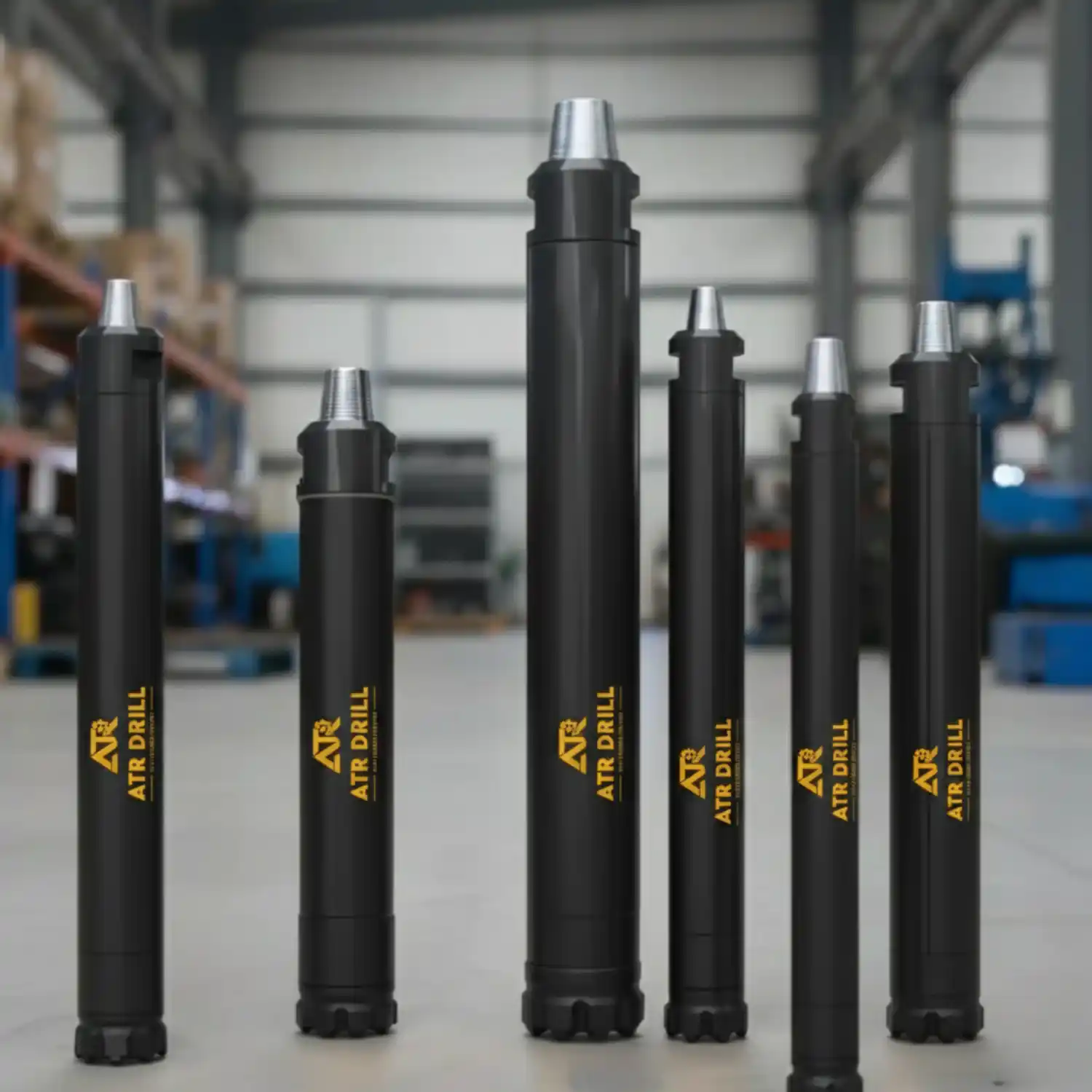
If the bit is the part that cuts, the South Africa DTH hammer is the part that decides how fast it cuts. A good hammer turns compressed air into thousands of heavy blows a minute right at the bottom of the hole. A poor or badly matched one wastes air, fuel and time. Here is how to choose one and keep it alive.
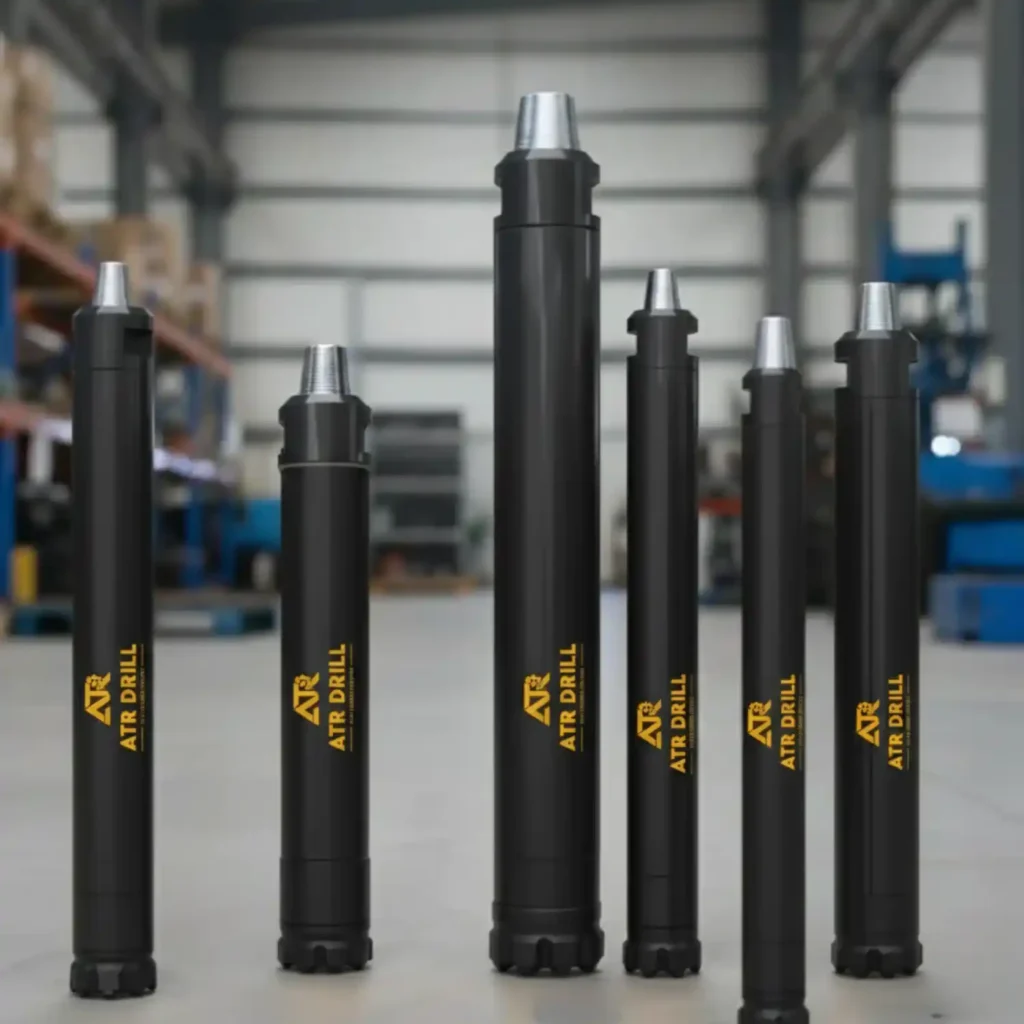
How a DTH Hammer Works
Compressed air enters the hammer, drives a piston up and down and strikes the top of the bit. Exhaust air then flows through the bit to clean the hole. The whole assembly rotates slowly while it hammers, so the buttons hit fresh rock on each blow. There are no complex electronics: reliability comes from clean air, correct lubrication and sound materials.
Low, Medium or High Pressure?
Hammers are grouped by operating pressure. Low-pressure models work on small portable compressors and suit shallow water wells. Medium-pressure hammers are the all-rounders. High-pressure models need larger compressors but give much higher penetration in hard rock, which is why they dominate mining and deep boreholes. Pick your South Africa DTH hammer by what your compressor can really deliver at depth, not what the brochure says it could.
Sizing a South Africa DTH Hammer
| Hole diameter | Typical use |
|---|---|
| Under about 110 mm | Small water wells, shallow blast holes |
| 110 to 165 mm | Boreholes, construction, exploration pre-collars |
| Over 165 mm | Deep boreholes, large blast holes, foundation drilling |
Always check shank type and bit compatibility. See our DTH range and the related guide to South Africa DTH drilling tools.
Keeping Your South Africa DTH Hammer Running
- Use the right oil, in the right amount. Under-lubrication is the main killer of hammers.
- Blow the pipe string clean before connecting, especially after storing tools.
- Do not run a hammer dry or let it hammer in the air, which damages the piston and bit.
- Strip, clean and inspect on schedule, replacing worn seals and bushings.
- Watch for falling penetration, which often signals wear or air loss.
Common South African Pitfalls
Dust is the big one. Fine, abrasive dust gets into air filters and lubricators and eats hammer internals. Heat is the second: compressors working hard on a hot Limpopo afternoon can push oil temperatures up. Third is distance: when the nearest workshop is days away, a spare hammer or rebuild kit is worth far more than it costs. That is why a South Africa DTH hammer purchase should always include a spares plan.
Not sure whether you need DTH at all? Read our comparison of top hammer vs DTH drilling, and see how rigs are maintained in our maintenance guide.
ATR Drill supplies DTH hammers, bits and accessories for contractors across Africa. Give us your hole size and compressor details and we will recommend a suitable South Africa DTH hammer and tell you honestly if a different method suits you better.
Spare Hammers Pay for Themselves
Contractors who work far from a workshop often keep a spare South Africa DTH hammer and rebuild kit on site. When one hammer fails, the crew swaps it and keeps drilling while the failed unit is serviced. It feels like tying up money, but one saved week of drilling usually covers the cost of the spare.
If you want the engineering basics explained from scratch, this overview of the down-the-hole drill is a good starting point.
Frequently Asked Questions
How long does a DTH hammer last?
Life depends on air quality, lubrication, rock type and maintenance. Hammers that are cleaned, lubricated and serviced on schedule last far longer.
Can I use a DTH hammer on any compressor?
No. The compressor must deliver the volume and pressure the hammer needs at working depth.
What is the best DTH hammer for water boreholes?
Medium or high-pressure hammers suit most hard rock boreholes, with size chosen by borehole diameter and your compressor.