
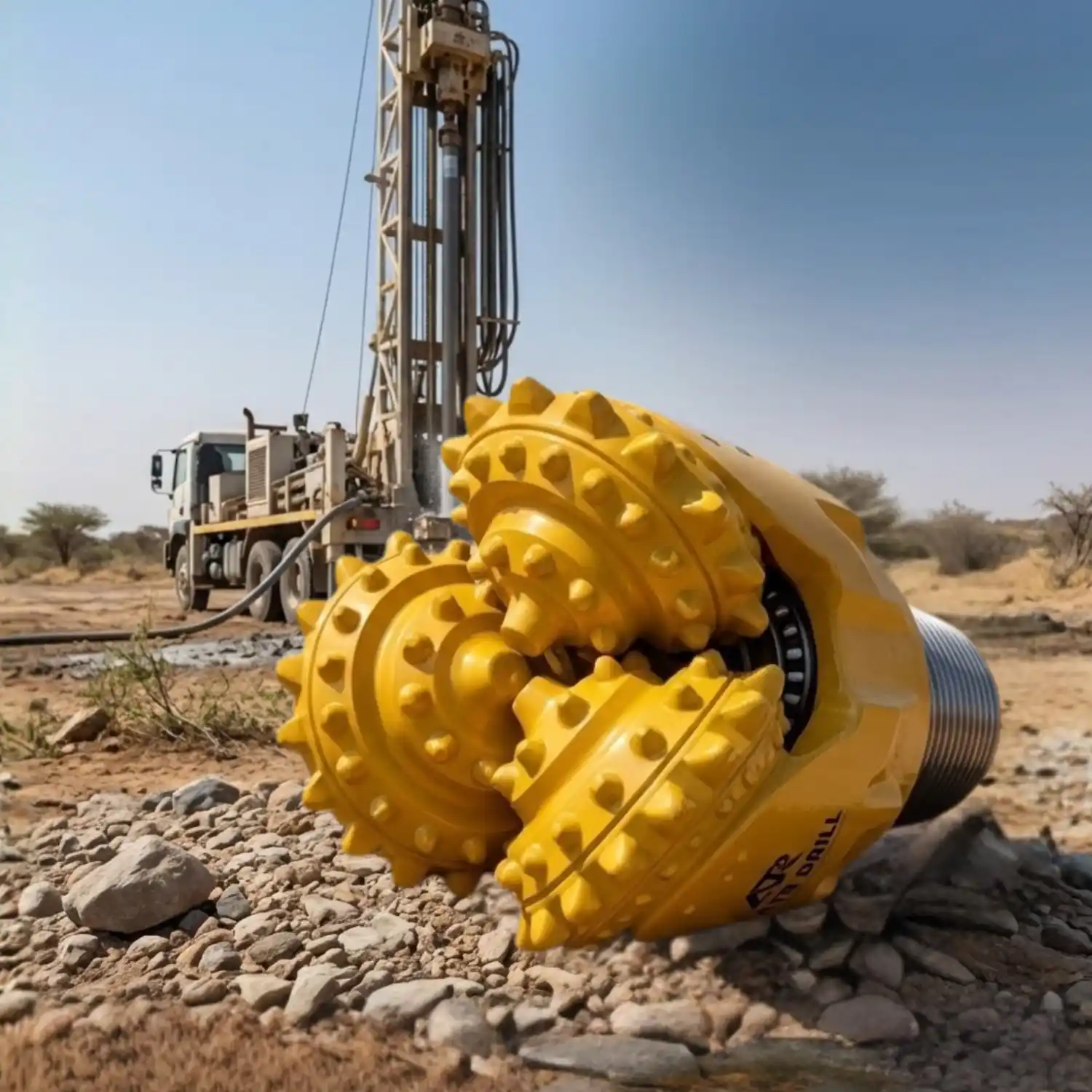
When it comes to rotary drilling in mining operations, few tools have proven as versatile and enduring as the tricone bit. Named for its three rotating cone-shaped cutters, this drilling technology has been a cornerstone of the mining industry for decades, offering reliable performance across a wide range of rock formations. Whether you’re drilling blast holes in an open-pit mine or exploring new mineral deposits, understanding tricone bit technology can help you optimize your drilling program.
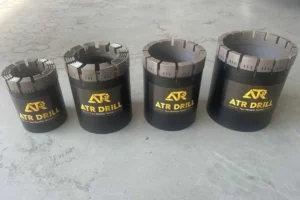 What is a Tricone Bit?
A tricone bit is a rotary drilling tool consisting of three cone-shaped cutting structures mounted on bearings, which rotate independently as the bit turns. As the drill string rotates, each cone spins on its own axis, and the teeth or inserts on the cones crush and gouge the rock formation. This combination of crushing, gouging, and scraping action makes tricone bits effective across a broad spectrum of rock hardness.
Unlike fixed-cutter bits, the rotating cones distribute wear more evenly and allow tricone bits to handle varying formations — from soft, unconsolidated ground to hard, abrasive rock.
How Tricone Bits Work
The drilling action of a tricone bit relies on three simultaneous mechanisms:
- Rotation – The drill string rotates, causing each cone to roll along the bottom of the hole
- Weight on bit (WOB) – Downward force presses the cones into the rock
- Cutting action – Teeth or inserts crush, gouge, and scrape rock as the cones roll
As the cones rotate, cuttings are generated and flushed away using drilling fluid or compressed air, keeping the hole clean and the bit cool.
Types of Tricone Bits
Milled Tooth Bits
These feature teeth machined directly into the cone structure, typically hardened with wear-resistant materials. Milled tooth bits are generally suited for softer to medium-hard formations.
Tungsten Carbide Insert (TCI) Bits
TCI bits use tungsten carbide inserts pressed into the cone body, offering superior wear resistance. These are the preferred choice for harder, more abrasive rock formations where longevity is critical.
Sealed vs. Non-Sealed Bearings
Tricone bits also vary by bearing design — sealed bearing bits offer extended life through better lubrication retention and contamination protection, while non-sealed (open) bearing bits are typically more economical for less demanding applications.
Applications in Mining
Tricone bits are widely used across various mining and drilling applications, including:
- Blast hole drilling in open-pit mining operations
- Water well drilling requiring medium to large diameter holes
- Mineral exploration drilling across varied geological formations
- Oil and gas drilling (a related application sharing similar technology)
- Large-diameter foundation drilling in construction
Advantages of Tricone Bits
- Versatility across a wide range of rock hardness
- Even wear distribution thanks to independently rotating cones
- Wide availability of sizes and configurations
- Cost-effective for medium to large-diameter holes
- Proven reliability with decades of field-tested performance
Choosing the Right Tricone Bit
Selecting the optimal tricone bit for your project depends on several factors:
- Formation hardness – Match bit type (milled tooth vs. TCI) to your specific rock conditions
- Hole diameter – Ensure the bit size aligns with your rig and project specifications
- Bearing type – Sealed bearings for extended runs, open bearings for cost-sensitive shorter jobs
- IADC classification – Use industry-standard IADC codes to match bit design to formation type
- Expected footage – Consider expected drilling distance when evaluating durability requirements
Maintenance and Handling Tips
To maximize tricone bit performance and lifespan:
- Store bits properly to prevent bearing contamination
- Inspect cones and inserts regularly for wear or damage
- Monitor drilling parameters (WOB, RPM) to avoid premature wear
- Replace bits before excessive wear compromises hole quality or drilling efficiency
Why Choose ATR Drill for Tricone Bits?
ATR Drill offers a comprehensive range of tricone bits engineered for durability and consistent performance across diverse mining conditions. Our selection covers various formations and bit designs, helping operators achieve efficient penetration rates while minimizing bit replacement costs.
Conclusion
Tricone bits remain one of the most reliable and versatile drilling tools in the mining industry, capable of handling everything from soft ground to hard, abrasive rock. By understanding the different bit types and selecting the right configuration for your formation, you can significantly improve drilling efficiency and reduce operational costs.
Ready to find the right tricone bit for your project? Browse ATR Drill’s tricone bit range and connect with our team for expert product recommendations tailored to your drilling needs.